
Introduction
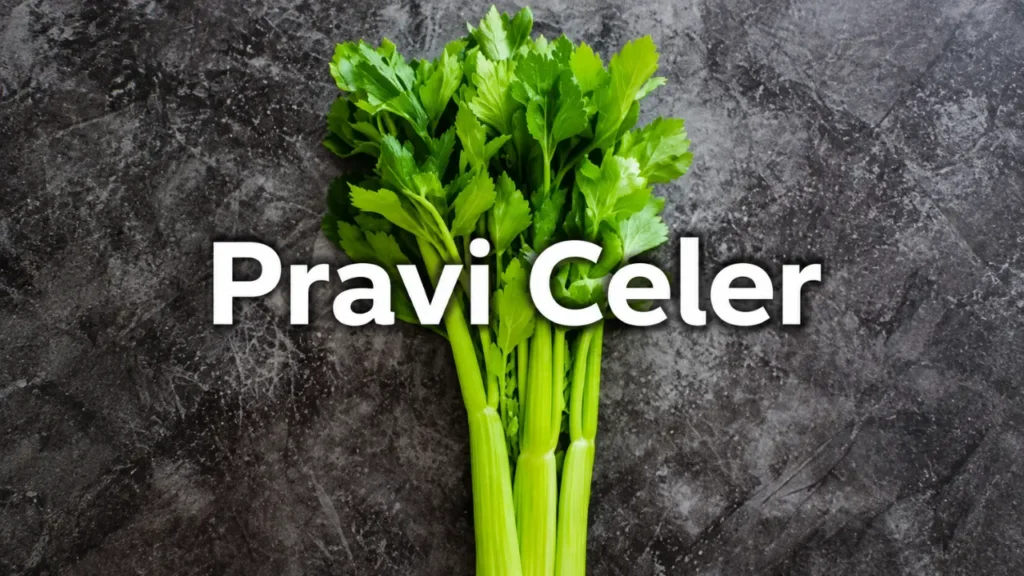
pravi celer is one of those food subjects where the facts are more interesting than the exaggerated claims that often surround it online. The plant behind the name is not a mysterious new vegetable or a miracle ingredient. It is connected with Apium graveolens, the celery species familiar from kitchens, gardens, markets, soups, salads, and traditional recipes. Croatian botanical references specifically record pravi celer as a common name for this species.
That matters because celery has several cultivated forms, and the part people eat can look completely different depending on the variety. The crisp stalks used in salads are not identical in appearance or culinary purpose to celeriac, which develops a large edible base. Treating every form as interchangeable creates more confusion than clarity.
The botanical identity behind pravi celer
The plant associated with pravi celer is Apium graveolens, a member of the Apiaceae family. This is the same broader plant family that includes familiar crops and herbs such as carrots, parsley, fennel, and coriander.
Flora Croatica Database lists pravi celer among the Croatian common names associated with Apium graveolens. The same database also records other regional names, showing that the plant has accumulated several traditional names over time rather than relying on one universal everyday label.
The important point is that pravi celer should not automatically be treated as a separate botanical species. There is no need to invent a new classification to explain it.
One species, several useful forms
Apium graveolens has been cultivated into forms selected for different parts of the plant.
Stalk celery is grown primarily for its fleshy leaf stalks. This is the celery most people recognize in supermarkets. It is crisp, watery, and suited to raw dishes as well as cooked recipes.
Leaf celery is valued more for its leaves and stronger aromatic character. It can be useful when a recipe needs a concentrated celery flavor without relying on large quantities of stalk.
Celeriac, also known as celery root, develops a swollen underground portion. It has a rough exterior and a firm, pale interior with a distinctly earthy celery flavor.
These forms belong to the same species, but that does not mean they should be used in exactly the same way.
Why the distinction from celeriac matters
The relationship between pravi celer and celeriac is one of the easiest places to make a factual mistake.
Celeriac is not simply another word for every type of celery. It is a cultivated form of Apium graveolens selected for its enlarged edible base. Stalk celery, by contrast, is grown for its prominent leaf stalks.
That difference becomes obvious when cooking.
A crisp celery stalk works well in salads, fillings, soups, stocks, and vegetable mixtures. Celeriac is much better suited to roasting, mashing, puréeing, braising, and hearty soups because its dense flesh behaves more like a root vegetable.
So when a recipe mentions pravi celer, the surrounding context matters. A recipe asking for finely chopped green stalks is calling for something quite different from one asking for a peeled, diced celery root.
How pravi celer is used in cooking
Celery earns its place in cooking through versatility rather than intensity.
Raw stalks provide crunch and a clean, fresh flavor. Thinly sliced celery can bring texture to salads without making the dish heavy. Larger pieces can be served alongside dips or other foods when a crisp vegetable is needed.
Cooking changes its character. As celery softens, its sharp freshness becomes less prominent and its aromatic qualities blend into the rest of the dish.
This is why celery appears so often near the beginning of soup and stew recipes.
The classic soup and stew role
Chopped celery can be cooked with onion and carrot before liquid and other ingredients are added. The result is not supposed to taste like a bowl of celery. Instead, the vegetable contributes an aromatic background that supports the rest of the recipe.
This is one of the strongest culinary arguments for pravi celer: it does useful work without demanding attention.
It can also be added to stocks and broths, where its flavor becomes part of a larger combination of vegetables, herbs, and other ingredients.
Celery leaves should not be wasted
The leaves have a stronger celery flavor than the stalks and are useful as a finishing ingredient.
Fresh leaves can be chopped into soups, salads, sauces, or savory dishes. They can also be added near the end of cooking when you want the celery character to remain noticeable.
Throwing away healthy, fresh leaves simply because a recipe focuses on the stalks is unnecessary waste.
What pravi celer contributes nutritionally
Celery is mostly water and is naturally low in calories. It can therefore add volume and texture to meals without contributing a large amount of energy.
It also provides nutrients such as vitamin K, vitamin C, folate, potassium, and dietary fiber. The exact nutritional contribution depends on how much is eaten and whether the vegetable is consumed alongside other foods.
That is where a sensible view of pravi celer is better than exaggerated wellness claims.
Celery is nutritious, but it is not a cure-all. Eating it does not replace a balanced diet, and there is no good reason to turn an ordinary vegetable into a miracle food.
Its nutritional value is strongest when viewed as part of normal eating habits: vegetables, fruits, whole grains, protein sources, and other foods all contribute different nutrients.
Whole celery versus celery juice
Celery juice has attracted attention online, but drinking celery does not magically make the vegetable more nutritious.
Whole celery retains its physical structure and fiber. Juicing changes that structure and produces a very different food experience.
If someone enjoys celery juice, that is a personal dietary choice. But there is no need to claim that juice is inherently superior to eating the vegetable whole.
For everyday cooking, whole pravi celer remains the more useful option because the stalks and leaves can contribute texture, flavor, and nutrients directly to meals.
Choosing good-quality celery at the market
Freshness is easy to judge if you know what to look for.
Good celery should feel firm rather than rubbery. The stalks should have a fresh appearance, and the leaves should not be severely wilted or discolored.
Avoid bunches that appear excessively limp, damaged, or dried out.
The condition of the stalks matters because celery’s appeal depends heavily on texture. A crisp stalk and a limp stalk are technically the same vegetable, but they provide very different results in a salad or snack.
If you plan to cook the celery soon, slightly less crisp stalks can still be useful in soups and stews. There is no reason to discard perfectly usable vegetables simply because they are no longer at their absolute peak.
How to prepare pravi celer properly
Preparation is straightforward, but small choices can improve the final dish.
Start by washing the stalks thoroughly. Soil and debris can collect around the base and between tightly packed sections, so rinsing the entire bunch matters.
Trim the bottom and remove damaged portions.
The size of the cut should match the recipe.
Thin slices work well in salads because they spread the flavor and crunch throughout the dish. Small dice are useful in soups, sauces, and stews because they cook more evenly. Larger pieces can work in stocks where the celery will be removed or strained later.
Very mature stalks can sometimes have noticeable fibrous strands. If the texture seems unusually tough, removing some of those fibers can make the celery more pleasant to eat.
Keeping celery fresh for longer
Celery loses quality when it loses moisture, so refrigeration is important.
Keep the stalks protected rather than leaving them exposed to dry refrigerator air. Proper storage helps maintain the firmness that makes celery useful in salads and raw snacks.
If you know you will cook with pravi celer during the week, keeping the remaining stalks intact can help preserve their quality better than chopping everything in advance.
Pre-cut celery is convenient, but exposed cut surfaces can lose freshness faster.
What to do with celery that has gone limp
Limp celery does not automatically belong in the garbage.
It may no longer be ideal for a crisp salad, but it can still work in cooked dishes where texture is less important.
Add it to soup, stock, stew, or a cooked vegetable mixture.
That approach makes more sense than expecting every stalk to remain perfectly crunchy from the moment it is purchased until the moment it is eaten.
Growing pravi celer at home
Celery can be grown at home, but it is not the crop I would recommend to someone looking for the easiest possible gardening project.
It needs consistent moisture and fertile growing conditions. Drying out repeatedly can interfere with good development, so regular watering matters.
The soil should support steady growth rather than alternating between very wet and very dry conditions.
Moisture is the key challenge
Celery contains a large amount of water, and its growing conditions reflect that.
Gardeners need to pay attention to irrigation, especially during hot or dry periods. Mulching can help reduce moisture loss from the soil and can also limit competition from weeds.
A consistent routine is more useful than occasional heavy watering.
Give the plants enough time
Celery is not a crop to plant and forget.
The plants need time to develop, and gardeners should avoid judging progress too quickly. Good soil preparation, adequate moisture, and regular care are more important than trying to force rapid growth.
Growing pravi celer successfully is mostly about maintaining stable conditions.
The cultural importance of the name
The phrase pravi celer has a clear place in Croatian botanical naming. Flora Croatica Database records it as a Croatian common name for Apium graveolens, alongside other traditional names for the species.
That regional naming history is worth preserving because food vocabulary often reflects how plants have been recognized and used locally.
It also explains why an English-language reader may encounter pravi celer and assume it is the name of a rare vegetable. It sounds distinctive outside its original language context, but botanical naming evidence points back to the familiar celery species.
The better interpretation is therefore grounded in the plant itself rather than in modern internet claims.
What online claims about pravi celer get wrong
A growing number of online pages present pravi celer as though it were a newly discovered variety with dramatically superior nutrition, flavor, or health properties.
There is little reason to accept those claims without evidence.
The botanical evidence is much clearer: pravi celer is recorded as a common Croatian name for Apium graveolens.
That does not make the plant uninteresting. Quite the opposite.
Celery has multiple cultivated forms, different culinary applications, edible leaves, useful stalks, and a long history of cultivation. Those facts are enough to make it worth discussing without turning it into a fictional superfood.
The smartest way to use pravi celer
The best use depends on which part of the plant you have.
For crisp texture, choose fresh stalks and use them raw.
For soups and stews, chop the stalks and allow them to cook with the other vegetables.
For stronger celery flavor, use the leaves.
For a dense, earthy vegetable suitable for roasting or puréeing, look specifically for celeriac rather than assuming ordinary stalk celery will provide the same result.
That distinction saves money, improves recipes, and prevents unnecessary confusion about what different celery products actually are.
A more accurate view of this everyday vegetable
pravi celer does not need exaggerated health claims to be worth knowing.
Its importance comes from something simpler: it is a versatile cultivated plant with several useful forms. Its stalks provide crunch, its leaves provide aroma, and celeriac offers a completely different texture from the same species.
The strongest information about pravi celer is therefore the information that can be checked: its connection to Apium graveolens, its documented Croatian common name, its relationship to cultivated celery forms, and its practical role in food and gardening.
Once those facts are clear, the subject becomes much less mysterious.
Final takeaway
pravi celer is not valuable because the internet has given it a dramatic new identity. It is valuable because celery has always been more versatile than its reputation suggests.
The stalks can bring crunch to a salad or depth to a soup. The leaves can strengthen the flavor of finished dishes. Celeriac can turn the same species into a completely different cooking ingredient. And in the garden, celery rewards patience and consistent care rather than shortcuts.
The useful lesson is simple: stop looking for a miracle behind the name and pay attention to the plant. That is where the real story of pravi celer is.
FAQs
1. Is pravi celer a separate species of celery?
No. Croatian botanical references list pravi celer as a common name associated with Apium graveolens, the accepted celery species. It should not automatically be presented as a separate newly discovered species.
2. Does pravi celer always mean celery root?
No. The phrase is associated with Apium graveolens as a species, while celery has different cultivated forms. Celeriac is the form developed mainly for its enlarged underground portion, whereas stalk celery is grown primarily for its fleshy stalks.
3. Can celery leaves be used in cooking?
Yes. Fresh leaves are edible and have a stronger celery flavor than the stalks. They work particularly well chopped into soups, salads, sauces, and finished savory dishes.
4. Why does celery become soft after being stored?
Celery gradually loses moisture after harvesting. As moisture is lost, the stalks lose the firm, crisp texture that makes fresh celery appealing. Proper refrigeration and protection from drying conditions can help preserve quality.
5. Is celery juice better than eating whole celery?
Not automatically. Whole celery provides its natural structure and fiber, while juicing changes the food by removing much of that physical structure. For ordinary cooking and everyday meals, whole celery remains the more versatile choice.