
Introduction
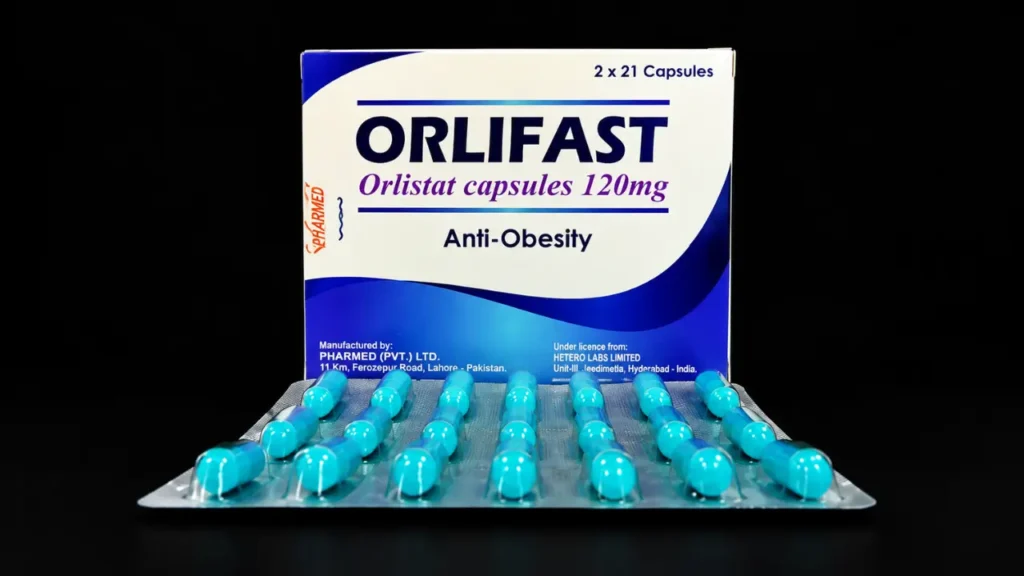
orlifast should not be treated like an ordinary weight-loss supplement. Its relevance comes from orlistat, a lipase-inhibiting medicine that reduces the amount of dietary fat absorbed through the intestine. That mechanism can make it useful in medically supervised weight management, but it also explains why digestive side effects and nutritional considerations are central to the discussion.
The biggest mistake in discussions about orlifast is to focus only on weight loss. Orlistat has a specific action, predictable digestive consequences, interactions that need attention, and important precautions. Current safety information also warrants attention to rare kidney-related problems, particularly for people with a history of kidney disease or kidney stones.
How orlifast is connected with orlistat
Orlifast products have been associated with orlistat, the active medicine used in several weight-management products. Orlistat belongs to a class called lipase inhibitors. Rather than primarily suppressing appetite, it works in the digestive tract by interfering with enzymes that break down dietary fat. As a result, some of the fat consumed with food is not absorbed and instead leaves the body in the stool.
That distinction matters when evaluating orlifast. It is not accurate to think of the medicine as simply switching off hunger or directly increasing the body’s metabolism.
The effect is tied to dietary fat.
That is also why food choices can influence the experience of treatment. A diet containing a large amount of fat can increase the likelihood of unpleasant bowel-related effects. MedlinePlus specifically notes that a high-fat diet can make these effects more likely.
What orlistat actually does in the digestive tract
Dietary fat has to be broken down before much of it can be absorbed. Orlistat interferes with the lipase enzymes responsible for that process.
When these enzymes are inhibited, some dietary fat remains undigested. The unabsorbed portion continues through the digestive system and is eliminated in the stool.
This explains both the intended action and one of the major drawbacks.
The medicine does not make dietary fat disappear. It changes how much of that fat reaches the body’s circulation after digestion. The remaining fat stays within the digestive tract until it is eliminated.
For someone researching orlifast, this mechanism is more useful than broad claims about “fat burning.” The medicine does not burn stored body fat in the way that phrase might suggest. Its primary action is to reduce absorption of fat from food.
Why the eating pattern matters so much
Orlistat is intended to be used alongside an individualized reduced-calorie, low-fat diet and physical activity program. It is therefore misleading to separate the medicine from nutrition.
A particularly high-fat meal can produce a particularly unpleasant digestive experience because more unabsorbed fat remains in the intestine.
This relationship gives orlifast a practical limitation that is easy to overlook in promotional discussions. Taking the medicine does not create a free pass to eat whatever you want.
The dietary component is part of the treatment approach itself.
A sensible medical discussion therefore considers not only whether a person could benefit from orlistat, but also whether the person’s existing eating pattern and overall health make the treatment appropriate.
The digestive side effects are not a minor detail
The most recognizable problems associated with orlistat involve bowel habits.
MedlinePlus lists effects such as oily spotting, gas accompanied by oily spotting, an urgent need to have a bowel movement, loose stools, oily or fatty stools, increased bowel movements, difficulty controlling bowel movements, and abdominal discomfort.
These effects make sense when the medicine’s mechanism is considered.
If more fat remains undigested in the intestinal tract, bowel movements can change. The effects can be especially troublesome when dietary fat intake is high.
This is one area where an honest article about orlifast should be direct: digestive side effects can affect daily life. They are not merely technical information buried in a drug leaflet.
Anyone experiencing severe or persistent symptoms should speak with a healthcare professional rather than assuming the problem should simply be tolerated.
Vitamin absorption deserves attention
Fat is involved in the absorption of vitamins A, D, E, and K. Because orlistat reduces the absorption of dietary fat, it can also reduce absorption of these fat-soluble vitamins. MedlinePlus specifically advises discussion of a daily multivitamin containing these vitamins and beta-carotene when using orlistat.
That does not mean everyone taking an orlistat-containing product will automatically develop a deficiency.
It does mean nutritional status deserves consideration.
People should not assume that taking an ordinary supplement without professional advice is enough. The appropriate approach depends on the individual’s diet, medical history, existing medicines, and nutritional needs.
This is especially important for anyone who already has problems absorbing nutrients. MedlinePlus identifies malabsorption syndrome and cholestasis among conditions that should be discussed with a doctor before using orlistat.
Medicines and health conditions can change the risk
Orlifast should not be evaluated in isolation from other medicines.
Orlistat can interact with certain medicines, including cyclosporine and levothyroxine, and medication timing may need to be managed by a healthcare professional. MedlinePlus also recommends telling a doctor or pharmacist about prescription medicines, over-the-counter medicines, vitamins, supplements, and herbal products.
Existing medical conditions matter as well.
People with a history of kidney stones, kidney disease, pancreatitis, gallbladder problems, thyroid disease, diabetes, or other relevant conditions should discuss their circumstances with a healthcare professional before considering orlistat.
That is why an online product description cannot answer the most important question for an individual: whether the medicine is appropriate for that person.
The 2026 kidney safety update should not be overlooked
There is an important newer development that deserves a place in current content about orlifast and orlistat.
In June 2026, the U.S. Food and Drug Administration announced labeling changes for the over-the-counter orlistat product alli after reviewing reports involving acute kidney injury and related kidney conditions. The updated labeling identifies rare reports of acute kidney injury, hyperoxaluria, calcium oxalate kidney stones, and oxalate nephropathy associated with orlistat products.
The FDA says the kidney-injury risk is now described consistently across FDA-approved orlistat products and advises people with a history of kidney disease or kidney stones to consult a healthcare provider before using the medicine.
Warning symptoms identified by the FDA include back or groin pain, painful urination, blood in the urine, swelling of the feet or legs, and reduced urination. Anyone experiencing such symptoms while taking an orlistat product should seek medical advice promptly.
This update is particularly important for an article intended to remain useful rather than relying on older descriptions of orlistat safety.
Who should be especially cautious?
Certain medical circumstances make professional evaluation particularly important.
Orlistat should not be treated as an appropriate option simply because someone wants to lose weight. MedlinePlus advises people to discuss conditions such as malabsorption syndrome, cholestasis, kidney stones, pancreatitis, gallbladder disease, thyroid disease, and diabetes with a healthcare professional.
Pregnancy is another important consideration. MedlinePlus states that orlistat should not be taken during pregnancy or breastfeeding.
The broader point is more important than any individual warning: medical suitability depends on the person, not just the product name.
Orlifast should not be confused with an appetite suppressant
A common source of confusion is the assumption that all weight-management medicines work in essentially the same way.
They do not.
Orlistat acts on fat digestion and absorption. Other weight-management medicines can work through different pathways, including effects on appetite or satiety. MedlinePlus separates orlistat from medicines that suppress appetite because their mechanisms are different.
That difference affects expectations.
Someone taking orlistat should not expect the medicine to eliminate hunger. Its principal action occurs during digestion, where it reduces absorption of some dietary fat.
This also means that the medicine’s usefulness needs to be judged in the context of the person’s overall treatment plan rather than by comparing it with another medicine solely on the basis of advertising claims.
Why product strength and market information matter
Readers researching orlifast may encounter different strengths, manufacturers, packaging, and product descriptions depending on the country.
That can create confusion.
The FDA, for example, distinguishes between alli, which contains 60 mg of orlistat and is approved for nonprescription use in the United States, and Xenical, which contains 120 mg and is available by prescription there.
Those U.S. product details should not automatically be applied to products sold under different names in other countries.
For that reason, anyone researching a specific orlifast product should check the actual package information and local regulatory information rather than assuming that every product carrying a similar name has identical status.
What makes reliable orlifast information different from advertising
The quality of information matters almost as much as the information itself.
A promotional page may focus on potential weight loss while giving little attention to bowel effects, vitamin absorption, drug interactions, contraindications, or newer safety findings.
A useful source does the opposite. It explains what the medicine does, what it cannot do, what problems can occur, and which circumstances require professional advice.
That standard is especially important for orlifast because readers may encounter claims that make weight management sound effortless. Orlistat is not a shortcut around nutrition or physical activity. It is a medicine whose effect is tied directly to fat absorption and whose tolerability can be influenced by dietary choices.
The difference between responsible health content and sales copy is whether the inconvenient information is given the same attention as the attractive claims.
The most important questions to ask before considering treatment
A person considering an orlistat-containing product should focus on suitability rather than simply asking whether it “works.”
A healthcare professional can assess whether the person’s weight-management goals, medical history, current medicines, kidney health, digestive health, and nutritional situation make the treatment appropriate.
It is also worth discussing what realistic results might look like. MedlinePlus notes that not everyone loses weight with orlistat and that some people regain weight after stopping treatment.
That point matters because sustainable weight management is not achieved by relying on a medicine alone.
Orlifast may be part of a treatment plan for an appropriate person, but it cannot replace the broader habits and medical care that determine long-term outcomes.
The bottom line on orlifast
The strongest way to look at orlifast is neither as a miracle product nor as something that should automatically be dismissed. Its value depends on the active medicine, the person’s circumstances, and how the treatment fits into a medically appropriate weight-management plan.
Orlistat has a clear mechanism: it reduces the digestion and absorption of dietary fat. That same mechanism explains its most common digestive side effects and its effect on absorption of fat-soluble vitamins.
The newer FDA kidney-safety update makes another point impossible to ignore: medical history matters, particularly when kidney disease or kidney stones are involved.
So the smart question is not whether orlifast sounds promising online. The smart question is whether an orlistat-containing treatment is appropriate for the individual sitting in front of a qualified healthcare professional.
That is where responsible weight-management decisions should begin.
FAQs
1. Can orlifast cause changes in bowel habits?
Yes. Orlistat is associated with bowel changes including oily stools, loose stools, increased bowel movements, gas with oily spotting, urgency, and difficulty controlling bowel movements. These effects are linked to the medicine leaving more undigested fat in the digestive tract.
2. Why does the amount of fat in a meal matter?
Orlistat prevents some dietary fat from being absorbed. A meal containing a high amount of fat can therefore leave more unabsorbed fat in the digestive system and increase the chance of unpleasant bowel effects.
3. What vitamins can be affected by orlistat?
The medicine can reduce absorption of fat-soluble vitamins, particularly vitamins A, D, E, and K, as well as beta-carotene. Nutritional supplementation should be discussed with a doctor or pharmacist rather than handled casually.
4. Why should people with kidney problems pay attention to newer orlistat warnings?
In June 2026, the FDA updated labeling for orlistat products after reviewing rare reports of acute kidney injury and related kidney conditions. People with a history of kidney disease or kidney stones are specifically advised to consult a healthcare provider before using the medicine.
5. Can orlifast replace healthy eating and physical activity?
No. Orlistat is intended to be used alongside a reduced-calorie, low-fat diet and an exercise program. Its action on dietary fat does not replace the broader lifestyle and medical factors involved in weight