
Introduction
The best абаяс is the one that works when the day gets busy. It should move comfortably, sit properly on the shoulders, provide the coverage you expect, and remain easy to style without demanding constant adjustment. A dramatic design may look impressive in a photograph, but if the fabric feels wrong in warm weather or the length becomes inconvenient after an hour, it is not a good wardrobe choice. Practicality should come first, with appearance built around it.
Abaya designs have expanded considerably beyond the simplest traditional silhouettes. Today, shoppers can find closed and open-front designs, straight and flowing cuts, formal embroidered pieces, lightweight summer garments, and structured styles suited to cooler weather. The choice can feel overwhelming, but the decision becomes much easier once you focus on four things: cut, fabric, fit, and purpose.
Start With the Abaya’s Main Purpose
Before choosing between different абаяс, decide when you are actually going to wear the garment. This matters more than a fashionable detail.
An everyday abaya needs to handle repeated use. It should be comfortable for walking, sitting, shopping, visiting family, commuting, or spending several hours away from home. A simple cut and fabric that does not require difficult maintenance will usually be more useful than an elaborate design.
Formal wear has a different job. For weddings, celebrations, dinners, and other occasions, richer fabrics, embroidery, contrast details, or a more dramatic silhouette can make sense. There is no reason to make an everyday garment perform the role of evening wear.
Prayer and religious occasions can also call for different priorities. A loose, comfortable design with dependable coverage may be more important than decorative detailing.
This distinction prevents a common shopping mistake: buying something because it looks beautiful without considering whether it fits the life of the person who will wear it.
Understanding the Most Useful Abaya Cuts
The cut controls how an abaya hangs from the shoulders and how much movement the garment creates. It can completely change the character of the same fabric.
Straight-cut abayas
A straight silhouette is one of the easiest choices for regular wear. The fabric falls in a relatively clean line, giving the garment a restrained appearance. It works particularly well for people who prefer uncomplicated clothing and want an abaya that can be paired with different hijabs and accessories.
A straight cut is also a sensible starting point for a first purchase because it does not rely heavily on styling.
A-line designs
A-line абаяс gradually become wider toward the lower portion of the garment. The additional room can make walking more comfortable while creating a softer silhouette.
This style can work for everyday wear as well as modest occasion dressing. The fabric makes a significant difference: a structured material creates a cleaner outline, while a flowing material gives the same basic cut a softer appearance.
Open-front styles
Open-front abayas are particularly useful when versatility matters. Instead of being a complete outfit by themselves, they act as an outer layer over an inner dress or coordinated clothing.
This allows one abaya to work with several different base outfits. A neutral open-front piece can therefore become one of the more useful garments in a modest wardrobe.
The drawback is that the clothing underneath becomes part of the overall look. Colors, lengths, and fabric weights need to work together.
Flowing and butterfly cuts
Flowing styles, sometimes described as butterfly or farasha designs, create more movement through generous fabric and wider panels. They are particularly effective for celebrations and occasions where a more noticeable silhouette is wanted.
They are less practical for situations where the wearer needs a compact, easy-to-manage garment. That is why these styles make more sense as occasion pieces than as the only abaya in a wardrobe.
Fabric Should Match the Climate
Fabric is not simply a question of appearance. It affects temperature, movement, drape, weight, and maintenance.
Nida and crepe are commonly used for contemporary abayas because they can provide a smooth appearance and controlled drape. They are practical choices when someone wants a garment that looks polished without requiring an elaborate design.
Chiffon creates a lighter, more flowing effect. It can be particularly attractive for formal designs and layered garments, although its construction and lining need attention because lightweight chiffon can behave very differently from a heavier fabric.
Satin has a noticeable sheen and therefore tends to look more formal. It can work beautifully for evening events, but it may require more careful handling than a straightforward everyday fabric.
Cotton and cotton-blend materials can be useful when breathability is a priority. Linen and linen blends can also suit warm conditions, although their tendency to crease should be considered before purchase.
Jersey offers flexibility and a softer feel, making it useful for relaxed outfits and travel. The right choice depends on the climate and how long the garment will be worn at a time.
For hot weather, a beautiful heavy fabric is rarely worth the discomfort. For cooler conditions, a fabric with more weight can provide better structure and warmth.
The Right Fit Is More Important Than the Label
Sizing can be confusing because an abaya’s size label does not always tell you how the garment will actually fit.
Pay close attention to length. A garment that is too long can become difficult to manage while walking, especially with certain footwear. One that is too short may not provide the desired appearance or coverage.
Shoulder placement is another important detail. Even with a loose silhouette, the garment should sit naturally rather than constantly sliding or pulling.
Sleeves deserve attention too. Very wide sleeves can look elegant but may become inconvenient during ordinary activities. Narrow sleeves may feel restrictive when reaching or layering.
When ordering online, compare the seller’s actual measurements with a garment you already own. Measure its length and other relevant dimensions, then compare those numbers with the product listing. This is more reliable than assuming that the same size will fit identically across different brands.
Color Choice Should Reflect the Existing Wardrobe
Black remains a practical choice because it works with a wide range of hijabs, shoes, bags, and accessories. It also transitions easily between everyday and formal settings.
But a wardrobe does not need to consist entirely of black абаяс.
Deep navy, charcoal, brown, taupe, olive, and other muted shades can provide similar versatility while creating more variety. Softer colors can work particularly well for daytime and warmer seasons, while richer shades can suit evening occasions.
The smartest color is usually not the one that looks most impressive on a store page. It is the one that works with clothing already hanging in your wardrobe.
Before buying, consider the hijabs and accessories you use most often. If a new abaya only works with one specific scarf or pair of shoes, it may not earn enough wear to justify the purchase.
Decoration Should Have a Reason
Embroidery, piping, beads, contrast panels, buttons, pleats, and other details can transform a simple abaya. They can also make a garment harder to style.
For everyday use, restrained decoration is usually the better choice. A clean garment can be worn repeatedly without looking tied to one particular event.
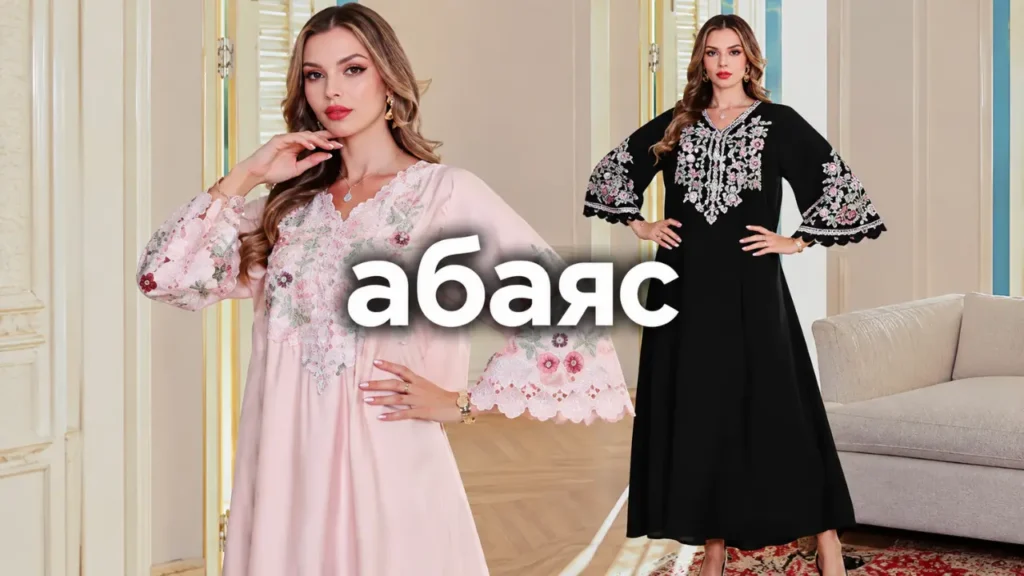
Formal абаяс can carry more visual detail because the occasion justifies it. Embroidery around the sleeves or front panels can create interest without overwhelming the silhouette. A carefully placed contrast detail can also give a plain garment more personality.
The important question is not whether decoration is attractive. It is whether the decoration improves the garment for its intended purpose.
A heavily embellished piece may be perfect for a wedding and completely impractical for routine errands. That is not a flaw in the garment; it simply means the garment has a specific role.
How to Choose Abayas for Different Occasions
Everyday outings
Choose a comfortable fabric, uncomplicated silhouette, and color that coordinates easily with existing accessories. Closed or open-front designs can both work, depending on personal preference.
Work and formal daytime settings
A straight or A-line cut in a refined, matte fabric can create a polished appearance without looking overdressed. Keep decorative details controlled and choose accessories that complement rather than compete with the garment.
Eid and family celebrations
This is where a richer fabric or more noticeable detailing makes sense. Satin, flowing chiffon, embroidery, or a fuller silhouette can create a celebratory appearance without requiring an excessive number of accessories.
Weddings and evening occasions
Formal абаяс can be more expressive. A flowing cut, carefully placed embroidery, or a sophisticated fabric can provide the visual impact expected at a special event.
The key is to choose one strong feature. If the fabric already has a pronounced sheen, elaborate embroidery may not be necessary. If the silhouette is dramatic, simpler accessories may create a more balanced outfit.
Styling Does Not Need to Be Complicated
An abaya already provides a strong foundation for an outfit. Trying to add too many elements can actually make the result look less considered.
A simple neutral abaya can be paired with a coordinated hijab and a practical handbag for daily wear. For an evening occasion, the same basic structure can be elevated with refined accessories and more formal footwear.
Open-front абаяс give even more flexibility because the inner outfit becomes another styling element. A contrasting inner layer can create depth, while similar tones can produce a quieter appearance.
If the abaya contains embroidery or prominent embellishment, let that feature lead. The scarf and accessories do not need to compete for attention.
Good styling often comes down to restraint.
Shopping Online Requires Careful Inspection
Online photographs can make almost any garment look better than it feels in person. Lighting can change the appearance of color, while professional styling can hide awkward proportions.
Look for exact garment measurements rather than relying only on labels such as small, medium, or large. Check the fabric composition and care instructions. If the garment has embroidery, beads, or decorative stitching, examine product photographs closely for construction details.
Customer reviews can also reveal practical information that product descriptions leave out. Comments about fabric weight, transparency, sizing, sleeve length, or how the garment behaves after washing can be more useful than a polished marketing description.
Do not assume that a higher price automatically means better quality. Construction, fabric, stitching, and fit matter more than the price printed on the product page.
Care Determines How Long an Abaya Looks Good
Even well-made абаяс need proper care.
Follow the manufacturer’s washing instructions, particularly when dealing with satin, chiffon, embroidery, beads, or other delicate finishes. A garment that is washed too aggressively can lose its shape or surface appearance.
Storage also matters. Keep embellished pieces from rubbing against rough fabrics or sharp accessories. Give garments enough space to hang without becoming crushed between other clothes.
Before putting an abaya away after an occasion, make sure it is clean and completely dry. Small habits like these can protect the fabric and reduce unnecessary replacement.
Build a Wardrobe With Different Roles
Buying several garments that all look almost identical is rarely the best use of money.
A more useful collection could begin with one dependable everyday abaya, followed by another in a different color or silhouette. An open-front option can provide additional styling flexibility, while one carefully chosen formal piece can cover important occasions.
This approach makes each purchase easier to judge.
Ask what the new garment adds. Does it provide a different fabric for another season? Does it work for formal occasions? Does it introduce a useful color? Does the silhouette offer something missing from the existing wardrobe?
If the answer is no, the garment may simply be another version of something already owned.
The Most Important Test Happens After Buying
The real quality of абаяс becomes clear after the first few wears.
A good garment should remain comfortable when sitting, walking, and moving through ordinary activities. The sleeves should not become a constant nuisance. The fabric should behave as expected. The length should work with the footwear normally worn. And the garment should be easy enough to style that it actually gets used.
That is why the smartest approach is to shop according to lifestyle rather than photographs.
A striking abaya can attract attention for five minutes. A well-fitted, comfortable abaya can become one of the most dependable pieces in a wardrobe for years. The second is the better purchase.
Final Takeaway
Choosing абаяс should not be a competition to find the most decorated design or the most expensive fabric. The stronger choice is the garment that fits its purpose without creating unnecessary problems.
Start with the occasion, choose the fabric according to the climate, check the measurements carefully, and make sure the color works with what you already own. Save dramatic silhouettes and elaborate detailing for occasions that actually call for them.
The best wardrobe is not the one with the largest number of абаяс. It is the one where every piece has a reason to be there.
FAQs
1. How should I check abaya length before ordering online?
Compare the seller’s stated garment length with a long garment you already own and find comfortable. Also consider your usual footwear, because even a small difference in height can affect where the hem falls.
2. Is an open-front abaya better than a closed design?
Neither is automatically better. An open-front design is more flexible for layering, while a closed design is quicker to put on and can provide a complete look with less styling.
3. What fabric is most practical for frequent wear?
Nida or crepe can be practical choices for regular use because they can provide a polished drape without the formal appearance of highly shiny fabrics. Climate and care instructions should still guide the final choice.
4. How can I make a simple abaya look suitable for an event?
Use the existing silhouette as the foundation and add one or two stronger elements, such as a refined hijab, elegant accessories, or dressier footwear. There is usually no need to add decoration everywhere.
5. What should I prioritize when buying an expensive abaya?
Prioritize construction, fabric quality, accurate sizing, comfort, and how often you expect to wear it. A well-made garment that works for several occasions is usually a better investment than an expensive piece that only suits one event.