
Introduction
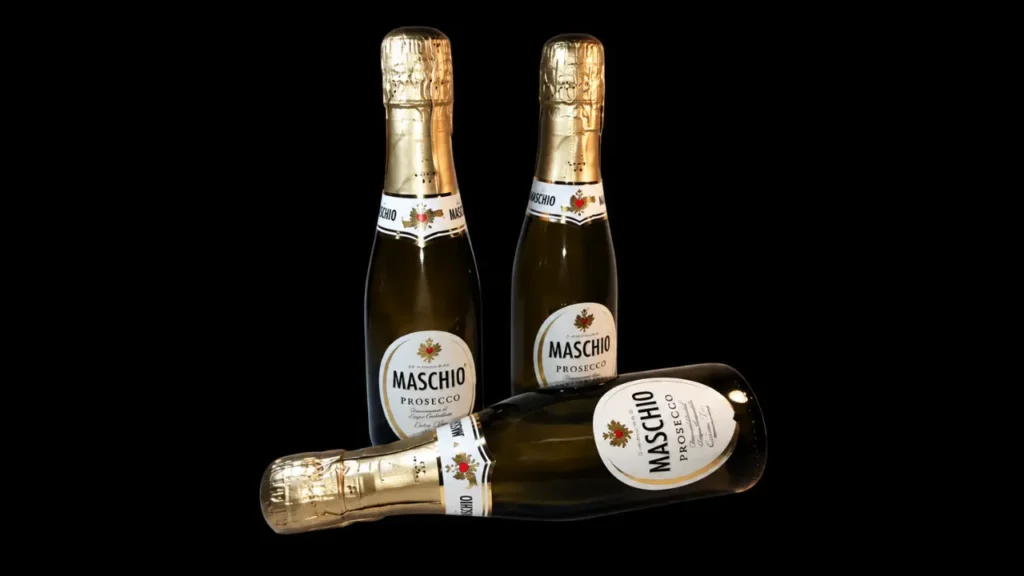
A full bottle of sparkling wine is not always the right answer. When one person wants a drink, two people want a small toast, or guests need an individual serving at an outdoor event, opening a 750 ml bottle can be more than the occasion requires. That is where prosecchini earns its place. The name is used commercially for small-format Prosecco bottles, with real examples available in 187 ml and 200 ml sizes. These bottles keep the familiar character of Prosecco while changing the amount being served.
That distinction matters because prosecchini is not a separate DOC wine category. Prosecco DOC has its own regulated production rules, grape requirements, geographical boundaries and labeling standards. The word prosecchini is instead encountered as a product name or informal description for smaller servings of Prosecco. Real bottles sold under the name include Prosecco made primarily from Glera and offered in individual formats.
What prosecchini Actually Represents
The clearest way to understand prosecchini is to look at how the name is used by wine producers.
Tenuta Sant’Anna, for example, has marketed “Prosecchini” in a 187 ml format and later listed a 200 ml version. Its product information identifies the wine as Prosecco made from 100% Glera and produced within the Veneto DOC area. Borgo Magredo has also sold Prosecchini in 187 ml bottles, describing them as single servings of Prosecco.
So the important point is not that prosecchini is a completely different wine.
The format is the defining feature.
A bottle can carry the prosecchini name while still being a genuine Prosecco product subject to the applicable wine designation shown on its label. That is why shoppers should pay attention to the actual label rather than assuming the name alone tells them the wine’s classification.
Why 187 ml and 200 ml Matter
The most recognizable prosecchini formats sit around 187 ml to 200 ml.
That is considerably smaller than a conventional 750 ml bottle. It gives the drinker an individual portion without requiring an entire bottle to be opened.
The 187 ml size has been used commercially for prosecchini products for years. Tenuta Sant’Anna’s technical material, for example, identifies its Prosecchini as a 187 ml Prosecco Extra Dry DOC made from Glera. More recent producer information lists a 200 ml version of the same branded format.
The difference between 187 ml and 200 ml is modest, but the distinction becomes useful when planning an event or comparing products.
A 187 ml bottle is about one-quarter of a standard 750 ml bottle. A 200 ml bottle is slightly larger and can work well when one person wants more than a single modest pour.
The actual volume should always be checked on the label because producers can use different bottle sizes.
prosecchini Is Not a Separate Prosecco Classification
This is the point that deserves the most attention.
Prosecco DOC is a protected designation with specific rules. The official Prosecco DOC regulations recognize types including Prosecco, Prosecco Spumante, Prosecco Spumante Rosé and Prosecco Frizzante. The production rules also establish the grape varieties that may be used and define the geographical production area.
Prosecchini does not appear in that list as a separate DOC category.
Instead, the name is used on individual products to identify a smaller format. A bottle carrying the prosecchini name can therefore still be Prosecco DOC if it satisfies the relevant requirements and carries the appropriate designation.
This is why it is misleading to describe prosecchini as though Italian wine authorities created a new official class of sparkling wine.
The bottle may be small.
The wine’s legal classification is a separate matter.
What Is Inside a prosecchini Bottle?
The answer depends on the specific producer, but genuine Prosecco products sold under the prosecchini name can be based on Glera.
The Prosecco DOC production rules require Glera as the principal grape for standard Prosecco, with permitted additional varieties allowed within defined limits. The official specification states that Glera forms the base and that other permitted grapes can account for up to 15 percent in the relevant Prosecco categories.
Actual prosecchini products demonstrate this clearly.
Tenuta Sant’Anna lists its Prosecchini as 100% Glera, while Borgo Magredo also identifies its Prosecchini as 100% Glera. Their published information gives alcohol levels of 11.5% and 11% respectively.
That means the small bottle does not automatically imply a lighter or weaker version of the wine.
It can simply be the same style of Prosecco presented in a smaller package.
How Prosecco Gets Its Bubbles
The small bottle does not create a different sparkling-wine method.
Prosecco DOC Spumante is commonly produced using the Martinotti-Charmat method, in which the second fermentation takes place in large pressurized tanks rather than through the traditional bottle-fermentation method associated with Champagne. The Prosecco DOC Consortium explains that the process takes place in sealed tanks, allowing the wine to develop its characteristic bubbles while preserving floral and fruity aromas.
That matters because prosecchini should not be marketed as though its small bottle creates its sparkling character.
The sparkling wine is produced first.
The finished wine is then packaged in the smaller bottle format.
What prosecchini Tastes Like
There is no single taste profile that applies to every bottle carrying the prosecchini name because the wine depends on the producer, style and sweetness level.
A genuine Prosecco DOC Spumante can be produced in several sweetness categories, including Brut Nature, Extra Brut, Brut, Extra Dry, Dry and Demi-sec.
Producer tasting notes give a useful picture of what shoppers may encounter.
Tenuta Sant’Anna describes its Prosecchini with floral and fruit aromas including acacia, peach and pear, followed by a fresh, soft palate and fruity character. Borgo Magredo similarly describes peach and pear-flower notes and fine bubbles.
Those descriptions fit the familiar fresh, fruit-forward character associated with Prosecco, but they should not be treated as a universal tasting note for every prosecchini product.
Why the Small Format Works for Aperitivo
The strongest use case for prosecchini is simple: a small drink before or alongside food.
Prosecco already fits naturally into aperitivo settings. The wine’s freshness and bubbles work with salty snacks, seafood, light appetizers and other foods commonly served before a meal.
A small bottle makes the serving more personal.
One person can open a bottle without committing to 750 ml. A couple can share one small bottle before dinner. An event organizer can provide individual servings without opening full bottles and coordinating every pour.
That is not a revolutionary change to wine culture. It is simply better packaging for a smaller occasion.
Where prosecchini Makes the Most Sense
Weddings and Private Events
Individual sparkling-wine bottles can make service easier at weddings, receptions and private celebrations.
A guest can receive a bottle for a toast without waiting for someone to pour from a large bottle. The format can also work as part of a welcome-drink arrangement.
The main advantage is control over portions.
Picnics and Outdoor Gatherings
Outdoor occasions are another natural setting.
A 750 ml bottle can be inconvenient when there are only one or two drinkers. A smaller bottle is easier to chill, carry and distribute.
Borgo Magredo specifically markets its 187 ml Prosecchini for picnics and occasions where a full bottle is unnecessary.
Quiet Evenings at Home
This is probably the most practical everyday use.
Someone who wants one serving of sparkling wine does not have to open a full bottle and worry about preserving the remainder.
That does not make the small bottle cheaper. In fact, small-format packaging can cost more per milliliter. But convenience and reduced leftover wine can make the higher unit price reasonable for the right occasion.
How to Serve prosecchini Properly
Treat the wine with the same care you would give a full-size bottle.
The Prosecco DOC Consortium recommends serving Prosecco at around 6–8°C and suggests a fairly large tulip-shaped glass.
Chilling the bottle before opening helps maintain the wine’s freshness and carbonation.
Open sparkling wine carefully. There is no need to create a dramatic cork pop. Controlled opening keeps the wine in the bottle and reduces the chance of spills.
Once opened, pour slowly into a suitable glass.
A small bottle may look casual, but the wine still benefits from proper serving.
Food Pairings That Work With prosecchini
The best pairings depend on the specific Prosecco, particularly its sweetness level.
Dryer styles can work well with savory appetizers, seafood, sushi, light salads and fried foods. Borgo Magredo specifically recommends its Prosecchini with seafood, shellfish, light salads, tempura and sushi.
A sweeter style can take a different direction and work better with fruit-based dishes or desserts.
For a simple aperitivo, salty snacks are an easy choice. Olives, nuts, mild cheeses and light seafood allow the bubbles and fruit character of the wine to remain noticeable.
How prosecchini Compares With a Standard 750 ml Bottle
The biggest difference is not the wine. It is the quantity.
A standard bottle is designed for sharing. A 187 ml or 200 ml bottle is designed around a smaller serving.
That makes prosecchini useful when:
- one person wants a serving;
- two people want a small toast;
- guests have different drink preferences;
- an event requires individual portions;
- an opened full bottle would be difficult to finish.
A standard bottle remains the better choice when several people are drinking the same wine throughout a meal.
There is no reason to buy four miniature bottles simply to imitate the volume of a 750 ml bottle if four people are sitting together and sharing wine. The smaller format earns its value when individual portions are actually useful.
What to Look For on the Label
The word prosecchini should not be the only thing you consider when buying a bottle.
Check the volume first. A product may be 187 ml, 200 ml or another small format.
Then look for the wine designation. If you specifically want Prosecco DOC, check that the bottle identifies it as such.
The producer also matters. A recognizable producer gives you more information about where the wine comes from and how it was made.
Next, check the sweetness category and alcohol level. Prosecco DOC Spumante can range from very dry styles to sweeter options, so two bottles can taste noticeably different even when both are small-format Prosecco.
For authentic Prosecco DOC, the official Consortium says consumers can identify bottles through the required state marking and label information.
That is a much better buying strategy than choosing a bottle solely because the name prosecchini appears on the front.
Is prosecchini Worth Buying?
For the right occasion, yes.
The format solves a real problem. It gives drinkers a measured amount of sparkling wine without forcing them to open a full bottle.
But it is not automatically better value.
If you are hosting a dinner for eight people who all want Prosecco, standard bottles will probably make more sense. If you are buying one drink for yourself, taking wine outdoors, preparing individual wedding servings or putting together a small gift, prosecchini becomes much more attractive.
The smartest choice comes down to volume, occasion and price per serving.
The Most Important Detail About prosecchini
The word should not be treated as though it describes a completely new kind of Italian wine.
Real products called prosecchini exist. They include small bottles of Prosecco in formats such as 187 ml and 200 ml, and producers have marketed them for individual servings, picnics and casual occasions.
But prosecchini is not itself a separate DOC classification.
That distinction gives the subject a much clearer shape. The interesting part is not pretending that a miniature bottle represents a new wine category. The interesting part is seeing how an established wine can be packaged for occasions where a full bottle simply does not fit.
For anyone considering prosecchini, the rule is simple: judge the wine by its producer, designation, style and label, and judge the bottle by whether its size actually suits the occasion. That is where the small format makes sense, and that is where it earns its place.
FAQs About prosecchini
1. Is prosecchini an official Prosecco DOC category?
No. Prosecco DOC has officially defined wine types and production rules, while prosecchini is used commercially for small-format Prosecco products. A prosecchini bottle can still carry a Prosecco DOC designation if the wine meets the relevant requirements.
2. What size is a typical prosecchini bottle?
Commercial examples include 187 ml and 200 ml bottles. Tenuta Sant’Anna has sold both formats, while Borgo Magredo lists a 187 ml Prosecchini.
3. Is prosecchini made from Glera?
It can be. Specific Prosecchini products from Tenuta Sant’Anna and Borgo Magredo are listed as 100% Glera. Prosecco DOC itself is based primarily on Glera under its production regulations.
4. Is prosecchini suitable for one person?
Yes. The small format is specifically useful when one person wants a modest serving without opening a full 750 ml bottle. The exact amount available depends on whether the bottle contains 187 ml, 200 ml or another volume.
5. How should prosecchini be chilled and served?
For Prosecco, the Prosecco DOC Consortium recommends a serving temperature of about 6–8°C and a fairly large tulip-shaped glass. Chill the bottle before opening and pour carefully to preserve the bubbles.